
Ostriches in Narus Valley
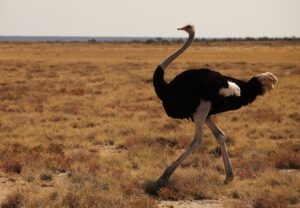
Yesterday (November the 28th), Three ostriches were spotted in the Narus Valley! This is quite unusual as their usual habitat are the dry plains of the Kidepo Valley. I was in the park with 10 bird guides for the national birding day competition. See the pictures below for proof. Finding these ostriches in Narus made our day. More on the competition will follow later.
Why KIDEPO VALLEY NATIONAL PARK?
Have you ever visited a zoo? It’s a popular daytrip but almost everyone would agree it is not quite the same as visiting a national park such as Kidepo. The difference is that there is some excitement in the unknown. In a National Park you are always on the lookout, you don’t know what you will see next. Another difference is that the animals are seen in a context: the lions in this park are often spotted resting on the rocky outcrops, Kidepo is one of the best places to see Rothschilds giraffes on the plains, A thriving population of Buffaloes of 10,000 to over 15000 individuals. Zebras, hartebeests and many antelope species. A paradise for Ornithologists with a bird checklist of over 476 species. Kidepo is a dream for Birdwatchers, featuring several species not found in any other Ugandan park. Visitors will experience true African wilderness away from the crowds.
Rich cultural Exeperience
Kidepo is home to two fascinating indigenous communities.
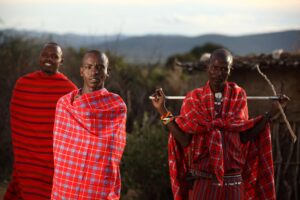
- The Karamojong-A semi-nomadic pastoralist group, culturally similar to the Maasai of Kenya, known for their cattle-keeping traditions and warrior heritage.
- The IK people. A small, hunter-gatherer tribe living in the mountains bordering Kenya, whose traditional way of life is under threat.
Visitors have chances to interact with these communities, gaining insight into their traditions, storytelling, and daily survival techniques in one of Africa’s most challenging environments.
How to make Karamojong cultural tourism seem natural
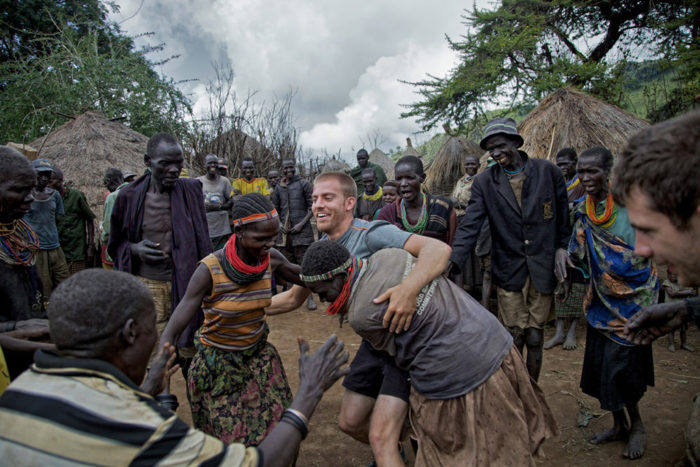
An Excellent example of how cultural tourism can be done in other parks like Bwindi impenetrable National Park would be the same way we handle it in Kidepo. Our excellent team arranges visits to the nearby village of Karenga They give you a translator as a guide and you drive to the village. Once there, interact and exchange questions about their culture and expect questions in return like where are you from? what is your name? name it. Through this interaction you will learn more about their culture that is vastly different from your own. The setting that is created by karamojong community in Karenga (the biggest village bordering Kidepo)
Also
In Karenga, Community people especially the adults(men) enjoy sitting together in the evening while drinking local beer as their wives are preparing their dinner at home and as children often to attend to the local games like Omweso, football made out of ballons and local polythenbags. Well, The Adults discuss the day’s events, local politics and generally just have a good time. Our partner@The Buffalo Base can introduce you to one of these drinking groups. Try the beer (or buy a coke) and have a chat. People will give you some fantastic perspectives on life.
In Karenga, there is a seriously good dancing group. The group dances on festivals, weddings, funerals and other traditional functions. They contacted the Buffalo Base and told them they want to dance for every tourist that comes to Karenga. While most visitors would be interested to see the group, simply forcing the dances on visitors (as was their plan) would create some uncomfortable dilemma with the tourists: Should they pay for something they didn’t ask for? Who do they pay? The chief? The people that danced? Is it morally sound to enjoy the show?
Ofcourse, our guides will always priotise your opinions by following your expectations and your interests with the local people
Community tourism doesn’t have to be a painful experience. Try to interact. Even if you find a bit of a zoo element, remember that the cultural resource they posses is not easy to exploit. It requires insight in your way of thinking to make it work. Just give the community some feedback, so they too can learn something about culture.